
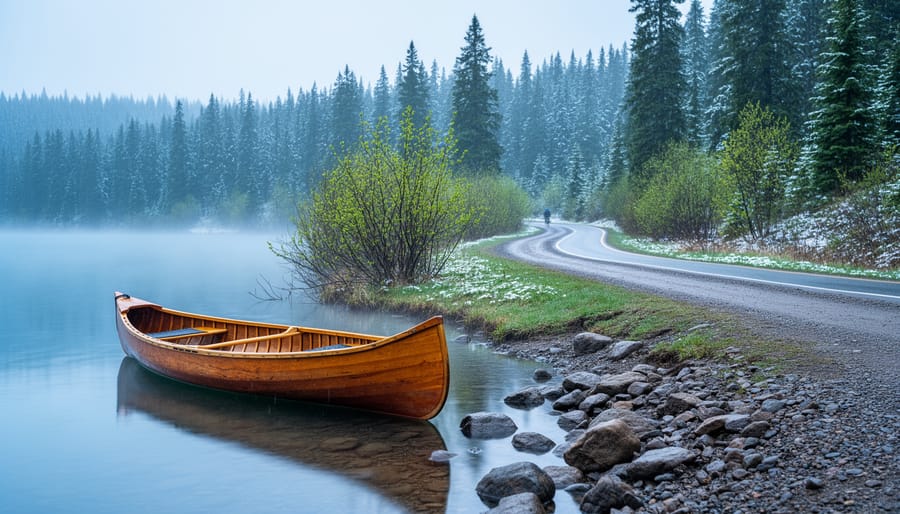
Canada’s leisure landscape shifts dramatically across four distinct seasons, making timing the difference between a mediocre afternoon and an unforgettable experience. Spring (March to May) opens waterways for kayaking and hiking trails as snow recedes, summer (June to August) delivers peak festival season and coastal exploration, fall (September to November) transforms forests into vibrant backdrops for camping and cycling, and winter (December to February) blankets the country in opportunities for skiing, skating, and northern lights viewing.
Your optimal window depends on where you’re exploring. British Columbia’s mild coast allows year-round outdoor pursuits, while the Prairies demand strategic seasonal planning to avoid punishing winters or scorching summers. Quebec and Ontario offer balanced four-season calendars, though crowd patterns spike during school holidays and long weekends. The Atlantic provinces shine brightest in summer when ocean temperatures become tolerable and maritime festivals crowd the calendar.
Climate variability reshapes these traditional windows each year. Warmer springs now arrive earlier in southern regions, extending hiking and biking seasons by weeks. Conversely, shorter winters in some areas compress ice fishing and snowmobiling opportunities, pushing enthusiasts toward northern territories where winter activities remain reliable.
Understanding these timing nuances helps you dodge crowds, secure better pricing, and access activities at their peak. A September canoe trip through Algonquin delivers stunning colours without July’s blackflies. February skiing in Whistler means fresh powder and fewer lineups than holiday weeks. The right timing transforms good leisure into great memories, especially when you account for regional quirks and shifting seasonal patterns that make Canada’s recreational calendar uniquely complex.
Quick Answer: Timing Your Leisure Activities in Canada
Canada’s leisure calendar divides into four distinct seasons, each offering unique experiences shaped by dramatic climate swings across ten provinces and three territories. Winter (December through March) delivers world-class skiing in British Columbia and Quebec, ice fishing on Prairie lakes, and vibrant festivals like Ottawa’s Winterlude. This season thrives on cold-weather sports, cozy cultural pursuits, and the magic of northern lights visible in Yukon and the Northwest Territories.
Spring (April through May) brings unpredictable weather but rewards flexible planners with maple syrup festivals in Ontario, emerging hiking trails in the Rockies, and quieter city exploration as patios reopen. It’s a shoulder season perfect for those who don’t mind layering and enjoy smaller crowds.
Summer (June through August) represents peak season coast to coast. Camping in national parks, Pride celebrations in major cities, music festivals, lakefront activities, and cottage culture define these months. The warmest weather draws the biggest crowds, and the highest prices, but also guarantees the fullest calendar of outdoor events and accessible recreation.
Fall (September through November) offers spectacular foliage tours in Atlantic Canada and Ontario, harvest festivals across agricultural regions, and ideal hiking conditions before snowfall. This underrated season combines comfortable temperatures with thinner crowds, though timing varies widely, Vancouver’s fall barely cools while Prairie provinces see snow by October. Canada’s massive geography means a single weekend might feature beach weather in Victoria and blizzards in Winnipeg, so always research your specific destination’s microclimate before finalizing plans.
Winter Leisure: December Through March
Peak Windows for Winter Sports
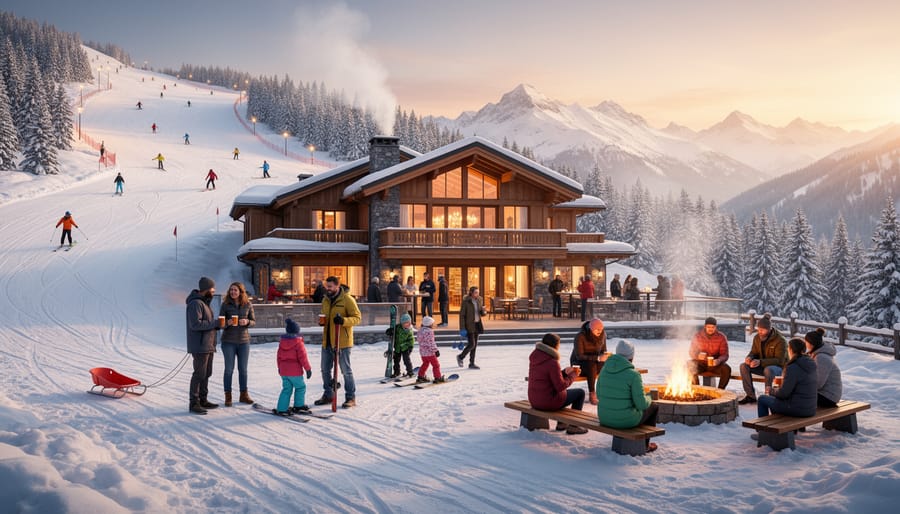
Ski resorts across Canada typically open mid-November through early December, with operations extending into April or even May at higher elevations. Whistler Blackcomb in British Columbia often runs until late May, while Quebec’s Mont-Tremblant and Alberta’s Lake Louise maintain consistent snow quality from December through March. Banff and Jasper resorts hit peak conditions in January and February, though weekends attract heavy crowds.
Public outdoor ice rinks operate December through March in most cities, with Toronto’s Nathan Phillips Square and Ottawa’s Rideau Canal Skateway opening once temperatures stabilize below freezing. The canal typically welcomes skaters in January, though climate variability means opening dates shift annually.
Major winter carnivals follow predictable schedules: Quebec City’s Carnaval runs late January through mid-February, while Winterlude in Ottawa spans the first three weekends of February. Smaller provincial festivals cluster in January and February when snow cover is reliable. Book accommodations three to four months ahead for carnival weekends, as hotels fill quickly and rates climb. Mid-week visits to ski resorts offer shorter lift lines and lower lodge prices compared to Saturday peaks.
Indoor Alternatives and Cultural Experiences
When temperatures plummet, Canada’s cities transform into cultural powerhouses. Major museums like the Royal Ontario Museum in Toronto, the Canadian Museum of History in Gatineau, and Vancouver’s Museum of Anthropology offer expansive collections that reward repeat visits throughout winter. Art galleries from the Art Gallery of Ontario to smaller community spaces in Halifax and Winnipeg showcase both established and emerging artists, often scheduling major exhibitions during these months when foot traffic peaks.
Theatre districts come alive with productions ranging from Broadway tours to experimental local work. Cities like Montreal, Toronto, and Calgary host vibrant LGBTQ+ nightlife scenes, drag shows, and community events that provide warm, inclusive gathering spaces during the coldest stretch. Winter also marks peak season for wellness pursuits: hot yoga studios, infrared saunas, float therapy centres, and Nordic spa circuits (especially popular in Quebec) attract Canadians seeking warmth and restoration.
Film festivals, poetry slams, comedy shows, and live music venues fill the cultural calendar. These indoor alternatives don’t just offer escape from the cold, they celebrate the creativity and diversity that define urban Canadian life when the landscape turns white.
Spring Awakening: April Through May
Spring in Canada defies predictability. One April morning might gift you sun-warmed trails and the scent of thawing earth, while the next dumps ten centimeters of wet snow on your patio plans. This volatility makes April through May the country’s most misunderstood leisure season, yet it rewards the flexible with experiences unavailable any other time of year.
Hiking trails begin to emerge from snowpack in late April, particularly in southern Ontario, BC’s Lower Mainland, and the Maritimes. You won’t find summer crowds, but you will encounter mud, lingering ice patches, and dramatic runoff that transforms modest creeks into roaring cascades. Parks Canada typically opens shoulder-season access to places like Fundy and Gros Morne by early May, though higher-elevation routes stay closed until June.
Urban leisure explodes as patios reopen across Toronto, Montreal, and Vancouver. The first warm weekend triggers a citywide migration outdoors. Cycling infrastructure becomes usable again, with dedicated bike lanes cleared and community groups organizing early-season rides. Brewery patios, sidewalk cafes, and waterfront promenades fill with Canadians who’ve survived another winter and want witnesses to their triumph.
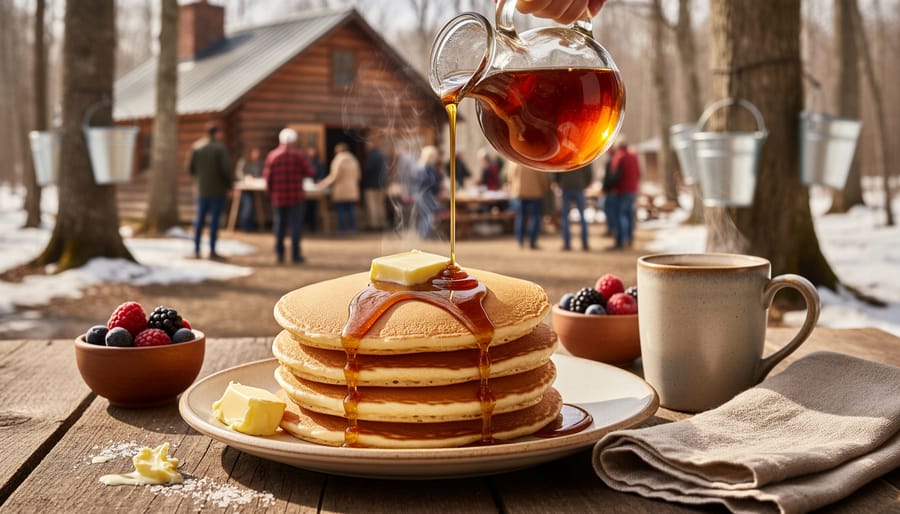
Quebec’s maple syrup festivals run from late March through early May, offering sugar shack tours, traditional tire d’érable (maple taffy on snow), and fiddle music that celebrates Quebecois heritage. These seasonal cultural events draw locals and tourists to rural areas just as the countryside awakens.
Spring demands flexible planning. Book accommodations with lenient cancellation policies, check trail conditions weekly rather than assuming routes are clear, and have indoor backup plans. The payoff for embracing uncertainty is access to Canada at its rawest and least crowded.
Summer Peak: June Through August
Festival and Event Season
Canada’s summer festival circuit kicks off in earnest once May long weekend passes, with the bulk of major events concentrated between late June and early August. Most provincial Pride celebrations anchor around the last weekend of June to early July, though Toronto Pride typically runs in late June and Vancouver Pride lands in early August. Montreal’s Just For Laughs comedy festival dominates mid-July, while the Calgary Stampede claims the first full week of July without fail.
Music festivals scatter across the calendar but peak in July and early August, Ottawa Bluesfest, Montreal’s Osheaga, and Vancouver’s Folk Music Festival all happen during this window. Folk and cultural celebrations like Folklorama in Winnipeg and Caribbean Carnival in Toronto land in late July through early August. These pop culture festivals draw massive crowds, so book accommodations three to six months ahead if you’re traveling specifically to attend.
Smaller community festivals and fringe theatre events run throughout June and September as well, offering less crowded alternatives with equally vibrant programming.
Outdoor Recreation at Its Best
Summer transforms Canada into an outdoor recreation paradise, with June through August delivering the most reliable conditions for wilderness adventures. Provincial parks reach their prime accessibility during this window, trails are snow-free, campgrounds operate at full capacity, and backcountry routes become navigable for hikers of all skill levels.
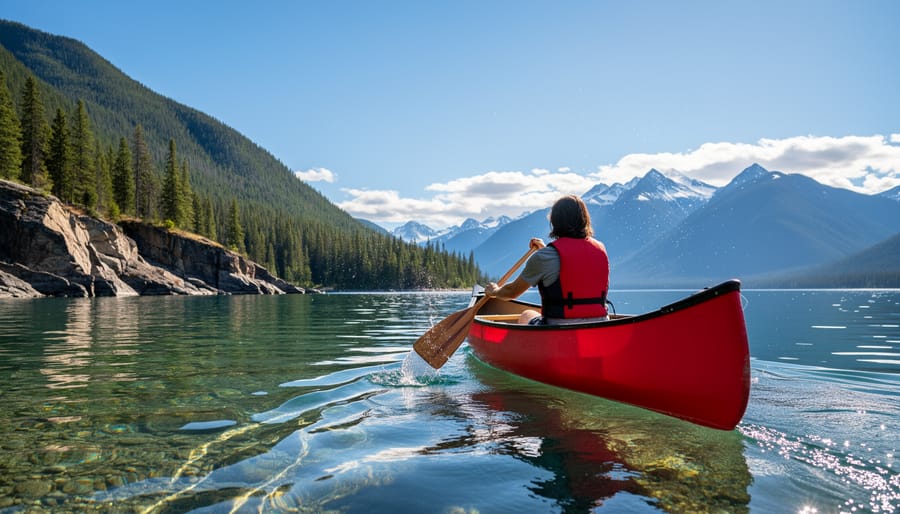
Water-based activities hit their sweet spot mid-June through August when lakes and coastal waters warm to comfortable temperatures. British Columbia’s coastline offers kayaking and paddleboarding without wetsuits, while Ontario’s cottage country becomes a hub for canoeing and swimming. The Prairies’ lakes reach their warmest in July and early August, perfect for families seeking beach experiences.
Adventure tourism operators run their fullest schedules during these months. Whitewater rafting thrives on snowmelt-fed rivers through early July, while rock climbing and mountain biking conditions peak across the Rockies and Canadian Shield. Indigenous-led wilderness experiences flourish in summer, offering cultural connections alongside outdoor pursuits.
Book popular destinations three to six months ahead, Banff, Jasper, and Gros Morne fill quickly. For genuine solitude, consider lesser-known provincial parks or Crown land camping, where permits remain available even during peak season.
Fall Colors and Harvest: September Through November
September through November transforms Canada into a tapestry of amber, scarlet, and gold, yet this season remains surprisingly underrated for leisure pursuits. While summer crowds dissipate and shoulder-season pricing takes effect, fall delivers some of the country’s most rewarding outdoor experiences alongside a rich calendar of harvest celebrations.
The cooler, stable weather makes autumn ideal for active pursuits without the intensity of summer heat. Hiking trails that felt punishing in July become pleasurable, with temperatures hovering between 10-18°C in most regions. The blackflies have vanished, and you’ll encounter far fewer people on popular routes. Ontario’s Algonquin Park and Quebec’s Laurentians hit peak foliage between late September and mid-October, drawing photographers and nature enthusiasts to witness the deciduous forest’s annual spectacle.
- Thanksgiving weekend foliage tours (early October)Prime viewing in Ontario, Quebec, and the Maritimes with organized bus tours, scenic drives, and leaf-peeping hikes at their most vibrant.
- Harvest festivals and agritourism (September, October)Wineries in Okanagan and Niagara host tastings, corn mazes open across Prairie provinces, and farmers’ markets celebrate local bounty with apple picking and pumpkin patches.
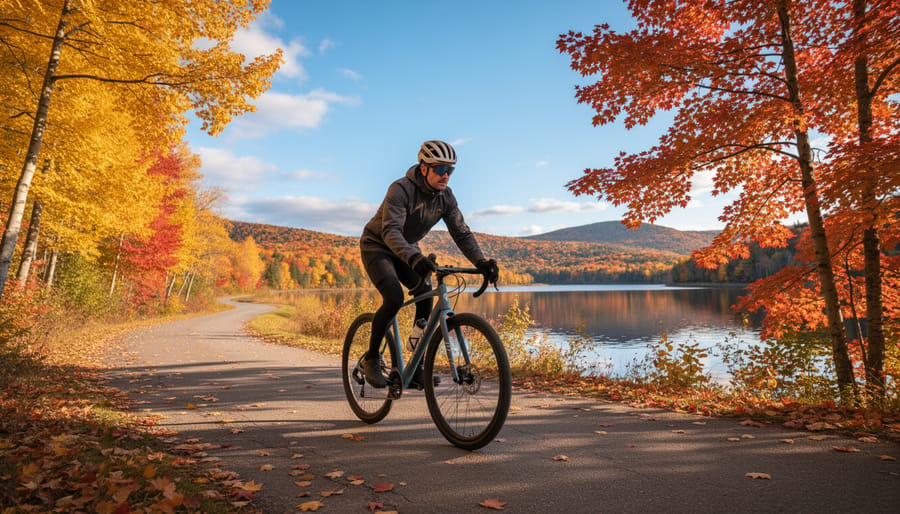
- Cycling scenic routes (September, early October)Rail trails and waterfront paths offer comfortable temperatures and stunning backdrops, particularly along the Cabot Trail in Nova Scotia and the P’tit Train du Nord in Quebec.
- Urban cultural programming (late October, November)As weather shifts, fall film festivals, gallery openings, and cozy café culture take center stage in cities from Vancouver to Halifax.
November marks the transition period when outdoor enthusiasts begin eyeing ski forecasts while still squeezing in late-season hikes. It’s an excellent time for budget-conscious travelers, accommodation rates drop significantly, and you’ll find deals on everything from boutique hotels to backcountry camping permits. The shoulder season also means more intimate experiences at popular sites, whether you’re exploring Cape Breton’s coastal trails or wandering Toronto’s Distillery District without jostling through crowds.
For those willing to embrace layered clothing and occasional drizzle, fall offers a quieter, more contemplative side of Canadian leisure that rewards flexibility and spontaneity.
What Influences Activity Timing Across Canada
Canada’s leisure timing isn’t dictated by a single calendar, it’s shaped by geography, economics, and the lived realities of diverse communities navigating a vast country. Understanding these influences helps you choose not just when to go, but where and how to make your experience genuinely enjoyable.
Regional Climate and Microclimate Variations
A Vancouver spring in March looks nothing like a Winnipeg spring in the same month. Coastal BC enjoys mild, rainy conditions that allow year-round hiking and cycling, while the Prairies remain snow-covered and frigid. Elevation matters too: mountain resorts in Alberta and British Columbia extend ski seasons into May, while lower-altitude trails open weeks earlier. Latitude creates dramatic differences in daylight, summer in Whitehorse offers near-endless evenings for outdoor pursuits, while southern Ontario’s shorter days compress activity windows.
- Microclimate Zones
- Localized weather patterns that create unique seasonal windows within broader regions, such as the Okanagan’s early spring warmth or Halifax’s fog-prone summer mornings. These pockets can shift activity timing by weeks compared to nearby areas.
- Shoulder Season Benefits
- The periods between peak and off-season (late May, September) when weather remains favorable but crowds thin and prices drop. These windows offer the best value and accessibility for budget-conscious travelers.
- Accessibility Windows
- Time periods when facilities, transportation, and accommodations provide full access for people with disabilities, often aligning with major events or summer operations when infrastructure is fully staffed.
- Cultural Event Calendars
- Scheduled festivals, Pride celebrations, and community gatherings that anchor travel timing for specific groups. These events often drive regional leisure patterns and booking demand.
Crowd Patterns and Budget Realities
Peak summer months (July, August) bring higher prices and fully booked campgrounds, pushing savvy travelers toward June or September when conditions remain excellent but demand eases. Winter ski resorts follow similar patterns, with Christmas and March Break creating price spikes. For LGBTQ+ travelers, timing around Pride seasons (typically June through August) offers vibrant community learning spaces and inclusive events, though queer-friendly leisure exists year-round in major cities.
Accessibility considerations extend beyond physical infrastructure. Remote Indigenous communities may limit visitor access during sacred seasonal practices, while certain trails and parks schedule accessible programming only during staffed summer months. Budget-conscious participants often find that shoulder seasons deliver 30-40% savings on accommodations without sacrificing weather quality, particularly in fall when foliage tours peak and summer crowds disperse.
Making the Most of Your Seasonal Plans
Once you’ve pinpointed your seasonal window, smart planning turns good intentions into unforgettable experiences. Start by booking popular activities and accommodations early, summer festivals, ski resort weekends, and Pride events often sell out months ahead. If you’re eyeing shoulder seasons, you’ll enjoy better availability and lower prices, but keep backup plans for unpredictable weather.
Flexibility becomes your strongest asset. Build buffer days around outdoor plans, especially in spring and fall when conditions shift quickly. Download offline maps, pack layers that work across temperature swings, and carry waterproof gear year-round. Canada’s weather doesn’t respect forecasts, so preparedness beats optimism.
Finding inclusive spaces takes intentional effort but pays off. Research LGBTQ+-friendly businesses, accessibility features at venues, and community-run events that center diverse voices. Social platforms and local community boards help you find events online that align with your values, from Two-Spirit gatherings to accessible hiking groups.
Sustainable practices matter more as climate patterns shift. Choose operators committed to environmental stewardship, minimize single-use plastics, respect Indigenous lands and protocols, and consider train travel over flights when feasible. Your leisure choices shape the landscapes you enjoy.
Stay connected to evolving calendars by following venue social accounts, signing up for regional tourism newsletters, and joining community groups tied to your interests. Festival dates shift, new venues open, and weather patterns surprise, staying plugged in means you won’t miss emerging opportunities or last-minute changes that could derail fixed plans. The best experiences often come from balancing careful preparation with openness to spontaneity.
Common Questions About Seasonal Leisure in Canada
Can you really enjoy outdoor activities year-round in Canada?
Absolutely. Each season unlocks different experiences, winter brings skiing and ice festivals, spring opens up hiking trails, summer delivers camping and water sports, and fall offers stunning foliage hikes. The key is matching your activity to the season rather than limiting yourself to summer-only plans.
Which season offers the best value for leisure activities?
Shoulder seasons, late spring and early fall, typically offer the best combination of decent weather, lower prices, and thinner crowds. You’ll find better deals on accommodations and tours while still enjoying solid conditions for most outdoor pursuits.
How do LGBTQ+ travelers find welcoming leisure spaces across Canada?
Major cities like Toronto, Montreal, and Vancouver have vibrant queer communities year-round, with Pride events peaking in summer. Research LGBTQ+ friendly accommodations and tour operators through resources like Tourism Diversity Matters, and connect with local community groups who often organize seasonal outdoor events and adventures.
How far in advance should I book seasonal activities?
For peak summer experiences, popular campgrounds, festival tickets, and prime cottage rentals, book three to six months ahead. Winter ski packages and holiday events need similar lead time, while shoulder seasons offer more flexibility with just a few weeks’ notice.
Planning around Canada’s seasons doesn’t mean rigid scheduling. Weather can surprise you, a warm October day might be perfect for cycling, while a rainy July weekend could lead to discovering a great museum exhibit. Keep your plans flexible enough to adapt, especially during transitional months when conditions shift rapidly. Check local event calendars and provincial tourism sites regularly, as festivals and special events often announce dates only a few months out.
Accessibility varies significantly between urban centers and remote areas. Cities generally offer better infrastructure for travelers with mobility needs, while backcountry experiences may require advance planning and specialized outfitters. Don’t hesitate to contact parks, venues, and activity providers directly to discuss specific requirements, most are eager to accommodate diverse needs and can suggest alternatives if certain experiences aren’t feasible.
Canada’s leisure landscape mirrors the country’s greatest strength: its diversity. From snowshoeing through boreal forests in January to celebrating Pride on urban streets in June, from autumn wine tours in the Okanagan to spring whale watching off the Atlantic coast, there’s genuinely something happening every single month, in every corner of the country.
The seasonal windows outlined here aren’t strict rules, they’re frameworks to help you plan smarter. Sure, hitting the Rockies in February guarantees powder, and visiting Niagara wine country in October delivers peak harvest experiences. But some of the most memorable moments happen when you stumble onto a local festival you didn’t know existed or discover a hidden trail during shoulder season when the crowds have thinned.
What matters most is matching timing to your priorities. Chasing solitude? Embrace the edges of peak seasons. Working with a tight budget? Winter and spring offer better value than summer’s premium rates. Looking for inclusive spaces? Canada’s major cities host welcoming events year-round, while smaller communities increasingly celebrate diversity through local festivals and cultural programming.
The beauty of Canada’s recreational calendar is that there’s no wrong time to explore, just different experiences waiting. Plan around the seasonal sweet spots, pack for transitions, book the big-ticket items early, then leave room for spontaneity. Your perfect leisure moment might be exactly where the guidebook ends and your curiosity begins.
You may also like
-
What Is Education Innovation in Canada (and How Is It Reshaping Teaching)?
-
How Canada’s Pop Culture Finally Reflects the Faces of a Nation
-
Gender Identity Expression: How Fashion Becomes a Language of Self in Canada
-
How to Prevent Youth Vaping: Evidence-Based Strategies That Work in 2026
-
How Black Empowerment Art Is Reshaping Our Cultural Landscape Right Now