
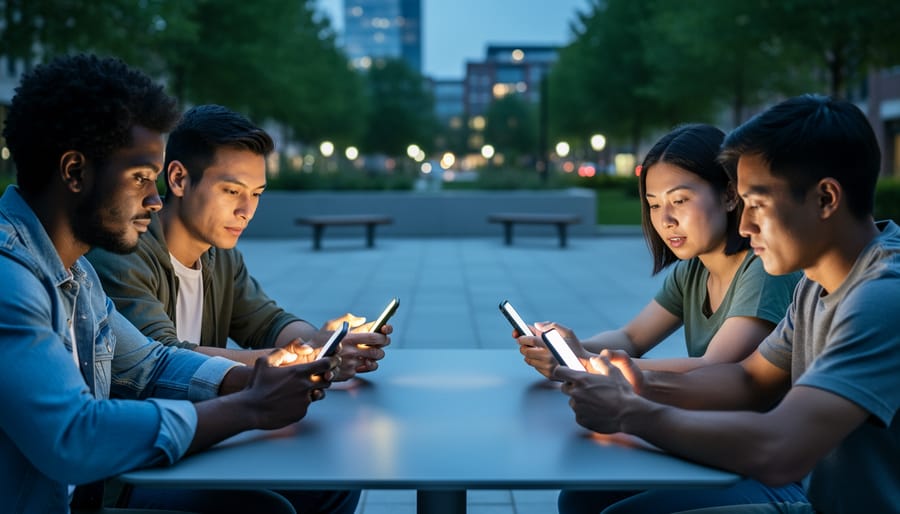
“University of Diversity” on TikTok refers to an informal digital movement where creators share satirical, educational, and narrative-driven content exploring lived experiences of racism, discrimination, microaggressions, and systemic inequality in Canada and beyond. These videos function as crowdsourced, bite-sized lessons that unpack complex social justice concepts through humor, storytelling, and direct commentary, often framing everyday encounters as “courses” in an imaginary institution where marginalized communities are perpetual students navigating bias.
The phenomenon has evolved into one of TikTok’s most engaging spaces for diversity discourse in 2026, particularly among Canadian Gen Z and millennial audiences who use the platform to process, validate, and challenge their encounters with prejudice. What began as ironic coping mechanism has transformed into a genuine repository of shared knowledge, where Black, Indigenous, Asian, LGBTQ+, and other marginalized creators catalog their experiences in formats that blend rage, resilience, and wit.
This matters because traditional diversity training often fails to capture the textured reality of discrimination. “University of Diversity” content fills that gap by offering unfiltered perspectives that resonate emotionally while educating viewers who may never face these experiences themselves. The movement also performs crucial cultural work: it names patterns, validates frustrations, and builds solidarity across communities who recognize themselves in each other’s stories.
Understanding this phenomenon means grasping how social media has become a primary site for intergenerational dialogue about identity, justice, and belonging in increasingly diverse societies. This article breaks down what “University of Diversity” content actually looks like, how creators structure these videos, the different types of “courses” being taught, and why this digital movement has become central to how young Canadians talk about and confront systemic inequality.
What Is University of Diversity TikTok?
University of diversity TikTok represents a grassroots digital movement where students from marginalized and underrepresented communities share their authentic experiences navigating Canadian higher education. Unlike polished institutional marketing or official university accounts, this content comes directly from BIPOC students, LGBTQ+ individuals, international students, first-generation scholars, disabled students, and others whose perspectives have historically been absent from mainstream campus narratives.
At its core, this phenomenon functions as a counter-narrative to traditional representations of university life. While campus brochures showcase generic diversity through carefully curated images, these TikTok creators document their actual lived realities, the triumphs and challenges that come with being different in academic spaces designed primarily for majority populations. The content ranges from celebratory moments of cultural expression to raw discussions about microaggressions in lecture halls.
- Campus Creators
- Students who regularly post content about their identity-specific experiences at Canadian universities, building followings around authentic storytelling of marginalized perspectives.
- #DiversityInHigherEd
- A common hashtag connecting videos about representation, equity, and inclusion challenges across post-secondary institutions in Canada.
- Academic Advocacy Content
- Videos that educate viewers about systemic barriers in universities while advocating for institutional change and policy reforms.
- Identity Collectives
- Informal networks of creators who share similar backgrounds, such as Indigenous students, Muslim students, or disabled scholars, and cross-promote each other’s content.
What makes this movement particularly powerful is its democratizing effect on campus storytelling. Prospective students no longer rely solely on official tours or sanitized promotional materials to understand university culture. Instead, they access hundreds of firsthand accounts that reveal what it actually feels like to be a hijab-wearing student at a predominantly white institution, or a Two-Spirit person navigating campus resources, or an international student balancing cultural identity with academic integration. This shift in narrative control represents a fundamental change in how Canadian universities are perceived and held accountable by the communities they serve.
How University of Diversity TikTok Works
Content Creation and Storytelling
Creators within university diversity TikTok transform everyday campus moments into powerful narratives by centering their lived experiences. A BIPOC student might film themselves navigating a predominantly white classroom, overlaying text that captures internal thoughts about code-switching or the exhaustion of being the only person of color in seminar discussions. The storytelling often follows a show-don’t-tell approach, recording genuine reactions to microaggressions, documenting accessibility barriers in real time, or celebrating cultural identity through campus activities.
The format matters as much as the message. Many creators use TikTok’s native features strategically: green screen effects to juxtapose official university marketing against their actual experiences, voiceovers to add context without appearing on camera, or trending audio remixed with captions that reframe popular sounds through a diversity lens. A queer student might lip-sync to a viral track while text reveals the hidden emotional labor of correcting pronouns repeatedly.
Authenticity drives engagement here. Creators who share vulnerable moments, crying after a discriminatory incident, expressing joy at finding community in a cultural club, or explaining how financial aid limitations affect their social life, resonate because they refuse to sanitize the university experience. This raw honesty challenges sanitized institutional narratives and creates space for others to recognize their own stories.
Community Building and Engagement
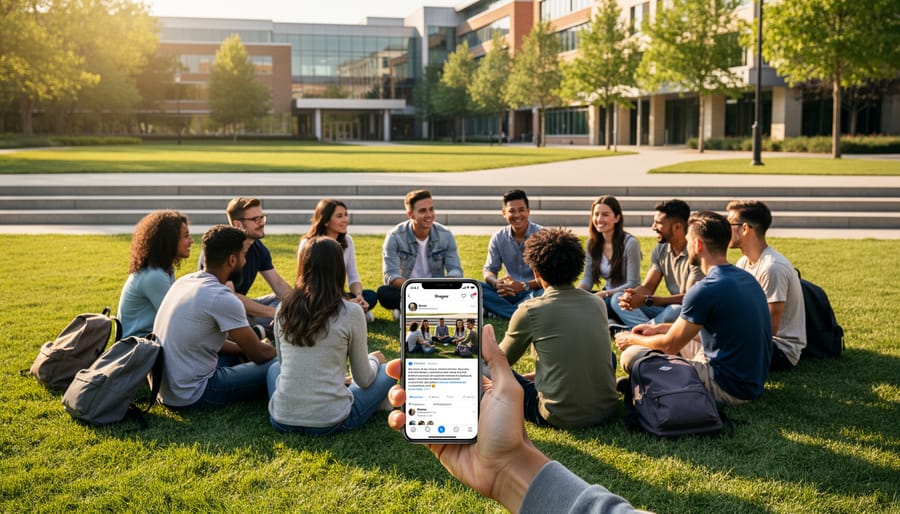
Community building within university diversity TikTok happens through constant, reciprocal interaction. Comments aren’t passive reactions, they’re where vulnerable stories get validated, where viewers share “this is exactly my experience,” and where marginalized students realize they’re not alone. Creators actively respond, transforming their comment sections into micro-support groups where international students swap visa advice, LGBTQ+ students offer coming-out strategies, and BIPOC creators debunk racist myths together. This back-and-forth creates intimacy that traditional campus diversity offices struggle to replicate.
Duets and stitches serve as the movement’s connective tissue. When a creator shares a microaggression they faced, dozens might duet the video with their own parallel stories, building a visual archive of systemic patterns. Stitches let users add context, push back against misinformation, or amplify underrepresented voices. A disabled student’s accessibility complaint might get stitched by advocates across multiple campuses, turning an individual frustration into a coordinated call for change. TikTok’s algorithm design rewards this collaborative format, surfacing networked conversations to broader audiences.
However, community guidelines remain a tension point. TikTok’s automated moderation sometimes flags discussions of racism or queerphobia as “controversial,” suppressing exactly the content these communities need to share. Creators develop workarounds, spelling “racism” as “r@cism” or using euphemisms, but this self-censorship dilutes impact. The strongest communities establish their own norms: calling in rather than calling out, centring affected voices in debates, and actively redirecting performative allyship toward meaningful action.
Types of University Diversity Content on TikTok
Identity-Centered Content
LGBTQ+ students document their experiences navigating campus life, from coming out stories in residence halls to finding queer community spaces on traditionally conservative campuses. Creators share the emotional reality of attending their first Pride event at university, the relief of discovering inclusive professors who use correct pronouns, or the challenge of explaining their identity to roommates from different cultural backgrounds. These videos often blend vulnerability with celebration, showing both the obstacles and the joy of living authentically in academic spaces.
BIPOC creators spotlight experiences that range from being the only racialized student in a lecture hall to forming cultural clubs that become lifelines. They document microaggressions from classmates and professors, the exhaustion of code-switching, and the power of seeing themselves reflected in course material for the first time. Black students share natural hair journeys during exam season, South Asian creators discuss family pressure around career choices, and Indigenous students explain the disconnect between Western academic frameworks and traditional knowledge systems.
International students capture the specific isolation of adjusting to Canadian campus culture while maintaining connections to home. They film late-night calls with family across time zones, the confusion of grading systems that differ from their countries, visa stress during study periods, and the small victories of making local friends. Disability advocates show the reality of navigating inaccessible buildings, fighting for accommodations, using assistive technology in classrooms, and building community with other disabled students who understand the unique barriers they face daily.
Educational and Advocacy Content
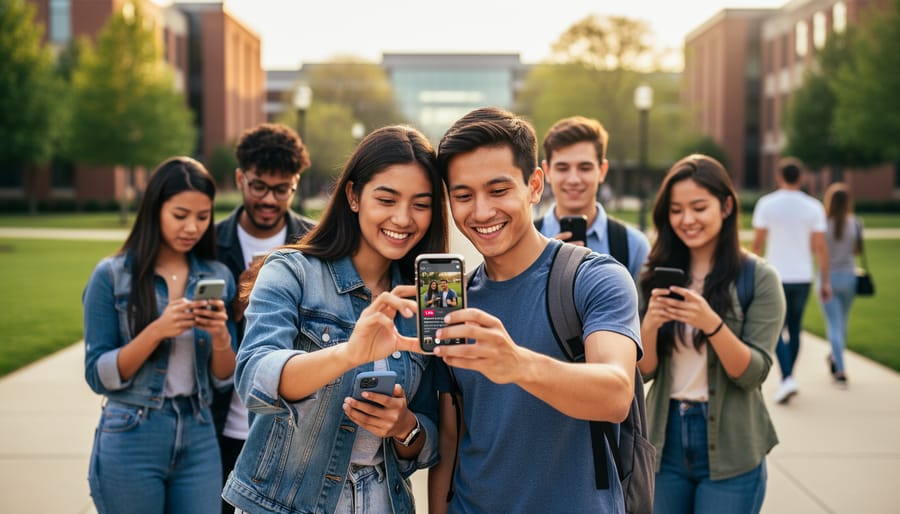
Educational and advocacy content forms the activist backbone of university diversity TikTok, transforming personal narratives into calls for institutional change. These videos move beyond sharing experiences to explicitly teaching viewers about systemic issues, challenging discriminatory practices, and mobilizing communities toward concrete action on Canadian campuses.
Creators in this space produce explainer videos that break down complex concepts like intersectionality, cultural appropriation, and institutional racism in accessible formats. A typical video might use text overlays and voiceover to explain how admission policies disproportionately affect certain communities, or demonstrate through real examples how microaggressions accumulate into hostile campus environments. These educational pieces often go viral because they make academic diversity concepts digestible for audiences unfamiliar with social justice frameworks.
Call-out content represents another powerful category, where students document and expose discriminatory incidents on their campuses. Whether filming problematic course materials, sharing screenshots of offensive group chat messages, or recording administrators’ inadequate responses to bias incidents, these videos create public accountability. The comment sections frequently transform into organizing spaces where students coordinate petitions, plan protests, or share resources for filing formal complaints.
Policy advocacy videos take this further by connecting individual experiences to structural solutions. Creators explain proposed changes to university diversity policies, interview student union representatives about ongoing campaigns, or provide templates for demanding institutional reforms. Some accounts track specific advocacy efforts over time, showing followers how sustained pressure leads to tangible results like new mental health resources for marginalized students or updated equity training requirements.
This content doesn’t just document problems; it builds the knowledge base and collective power needed to address them.

Why University Diversity TikTok Matters in Canada
University diversity TikTok has emerged as a powerful force reshaping how Canadians understand campus life and equity in higher education. Unlike institutional communications carefully curated by marketing departments, these creator-driven narratives offer unfiltered glimpses into what diversity actually looks like on the ground. When a Black student documents microaggressions in a predominantly white engineering program or an Indigenous creator shares their navigation of culturally insensitive course content, these stories bypass official channels and reach audiences institutions never could.
The impact on prospective students cannot be overstated. Generation Z increasingly relies on peer-generated content when making educational decisions, and diversity TikTok provides the authentic insights they crave. A polished campus tour video means little compared to a candid account from a student who shares your identity explaining how accessible services really are or whether the diversity stats in the brochure translate to actual inclusion. This shift has forced Canadian universities to reckon with gaps between their marketed values and lived realities.
Beyond individual choices, this movement contributes meaningfully to national conversations about equity in education. Canada prides itself on multiculturalism, yet systemic barriers in higher education often go undiscussed in mainstream media. University diversity TikTok brings these issues into public view with an urgency traditional journalism rarely captures. When hundreds of creators across different campuses share similar experiences with Eurocentric curricula or tokenization, it builds evidence of patterns that demand institutional response.
Some universities have started engaging directly, hiring diversity consultants and revising policies partly in response to student-generated content gaining traction. Others remain defensive, but the visibility these creators command makes ignoring calls for change increasingly difficult. The platform’s democratizing effect means a single well-articulated video about accessibility failures or racism can reach university administrators, prospective students, parents, and policymakers simultaneously.
Perhaps most significantly, this movement validates experiences that institutions have historically dismissed or minimized. When a Muslim student sees others sharing strategies for navigating Ramadan during exam periods or a disabled student finds community discussing ableist attitudes in campus healthcare, that representation affirms their reality. It transforms isolated frustrations into collective understanding and builds networks for advocacy that extend beyond any single campus. In a country still grappling with its colonial legacy and evolving identity, these digital spaces create room for honest reckoning with how far Canadian higher education still needs to go.
Common Questions About University Diversity TikTok
Finding these communities is straightforward but requires intentional exploration. Start by searching hashtags like #BlackAtUni, #QueerOnCampus, #InternationalStudentLife, or university-specific tags combined with identity markers. TikTok’s algorithm will surface related content once you engage with a few videos, and creators often cross-promote accounts worth following in their captions or comments.
How do I find university diversity content on TikTok?
Search identity-specific hashtags combined with university or education terms, engage with content that resonates, and check the accounts creators recommend in comments. The algorithm adapts quickly to surface similar voices.
Are universities actually responding to this content?
Some institutions monitor these accounts and have launched diversity initiatives partly in response, though critics argue many responses remain surface-level. Student affairs offices increasingly reference TikTok feedback in policy discussions.
Is university diversity TikTok just performative activism?
While some content lacks depth, many creators combine storytelling with concrete advocacy, organizing, and policy change efforts. The platform serves as both awareness-raising tool and coordination space for tangible action.
How does this differ from traditional campus advocacy?
TikTok diversity content reaches audiences beyond campus boundaries, creates permanent digital records of student experiences, and bypasses institutional gatekeepers who often control traditional advocacy channels. It democratizes whose stories get amplified.
The question of real-world impact remains complex. Creators point to specific policy changes, increased diversity hiring, and expanded support services that followed viral call-outs of campus issues. Universities now regularly cite student social media feedback in strategic planning documents, though skeptics question whether this constitutes genuine transformation or reputation management. The content undeniably shapes prospective students’ choices, admitted students routinely mention checking diversity TikTok before accepting offers, fundamentally shifting the information asymmetry that once favoured institutional marketing narratives over lived student realities.
Types or components
University of diversity TikTok operates through several interconnected components that work together to create a cohesive movement. Understanding these structural elements helps explain how isolated voices become a collective force for representation.
Creator Networks form the foundation, with individual students and recent graduates sharing their experiences from campuses across Canada. These creators often collaborate through duets and shared hashtags, building loose networks that amplify marginalized voices without formal organization.
Hashtag Ecosystems serve as navigational infrastructure. Tags like #DiversityInEducation, #BIPOCinAcademia, and campus-specific diversity tags create discoverable pathways for audiences seeking particular perspectives or institutions.
Content Formats range from raw, unedited day-in-the-life clips to polished educational explainers. Storytime videos share microaggression experiences, while celebration content highlights cultural events and achievements. This format diversity ensures the movement remains accessible to both casual viewers and those seeking deeper analysis.
Engagement Mechanisms including comments, shares, and the stitch feature transform passive consumption into active dialogue. Users don’t just watch; they respond, add context, and build on existing narratives, creating layered conversations around diversity issues that evolve in real time.