
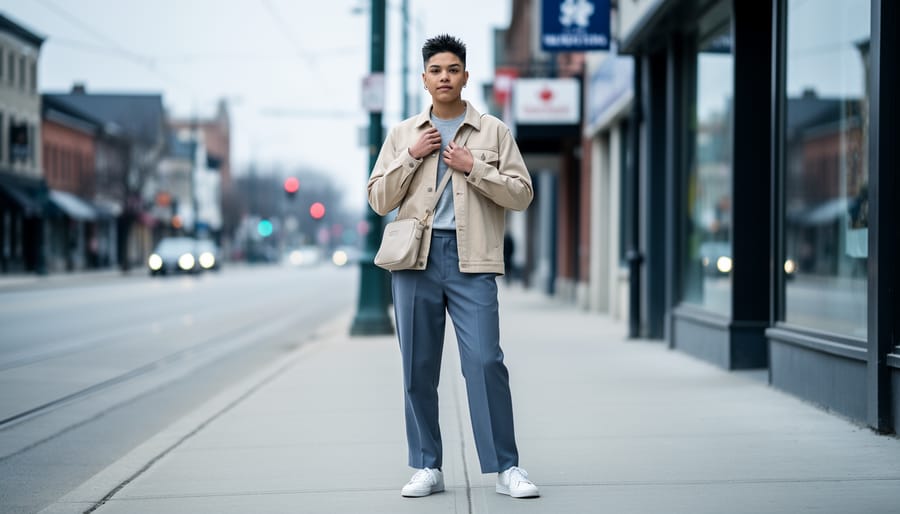
“U gender” refers to a non-binary gender identity in which a person identifies as ungendered, genderless, or without any gender at all. Sometimes written as “ungender” or symbolized simply as “U,” this identity sits alongside other non-binary categories like agender, genderqueer, and genderfluid, but carries its own specific meaning: the conscious rejection or absence of gender as a defining characteristic of self.
If you’re encountering this term for the first time, you’re not alone. Gender identity language continues to expand as more people find words that authentically describe their lived experiences. U gender represents one way individuals navigate identity outside the traditional binary framework, and understanding it matters because visibility creates space for authentic self-expression in every aspect of life, from personal relationships to professional environments to how we present ourselves through fashion and style.
In Canada, where gender diversity increasingly shapes everything from policy to Canada pop culture grasping these distinctions helps build more inclusive communities. But beyond theoretical understanding lies a practical question: how does someone who identifies as u gender actually express that identity day to day? What does it look like in terms of clothing choices, pronoun use, and social interaction?
This article breaks down what u gender means in clear terms, explains how this identity functions in everyday contexts, explores the different ways people express it, and examines real-world applications, particularly through fashion and personal style. Whether you’re questioning your own gender identity, supporting someone in your life, or simply expanding your understanding of gender diversity, you’ll find concrete answers here.
What U Gender Means
“U gender” serves as informal shorthand for identities that sit outside traditional male-female categories. You’ll encounter it most often in LGBTQ+ spaces and among young Canadians who find conventional gender labels too limiting or simply inaccurate for describing their lived experience.
The “u” can stand for unisex, universal, undefined, or even unrestricted, depending on who’s using it. Unlike older terms that pathologized non-conforming identities, u gender emerged from community usage as a casual, affirming descriptor. It captures the idea that some people experience gender as something fluid, multiple, or altogether absent rather than fixed at one of two poles.
This terminology has gained particular traction among Canadian Gen Z and millennial communities, where conversations about identity happen more openly than in previous generations. When someone describes themselves using u gender language, they’re typically signaling an identity that refuses binary classification without necessarily providing a more specific label.
- U Gender
- An umbrella term for identities outside the male-female binary, often used informally to mean unisex, universal, or undefined gender expression.
- Non-Binary
- An identity that exists beyond or between traditional gender categories, encompassing a wide spectrum of experiences that don’t fit exclusively male or female.
- Genderqueer
- A self-identification that challenges conventional gender distinctions, often embracing fluidity or rejecting gender categories altogether.
- Gender-Neutral
- A presentation or identity that intentionally avoids markers traditionally associated with either masculinity or femininity.
- Agender
- The experience of having no gender identity or feeling that gender doesn’t apply to one’s sense of self.
It’s crucial to distinguish u gender as an identity from “unisex” as a fashion marketing category. When retailers label clothing unisex, they’re typically describing items designed to fit multiple body types or avoid overtly gendered styling. That’s a product descriptor, not a statement about who wears it. U gender identity, by contrast, describes how someone understands and experiences their own gender, which may or may not align with how they dress. Someone with a u gender identity might wear explicitly feminine clothing, traditionally masculine pieces, or anything in between. The identity exists independently of aesthetic choices, even though fashion often becomes a meaningful tool for external expression.
How U Gender Identity Works in Self-Expression
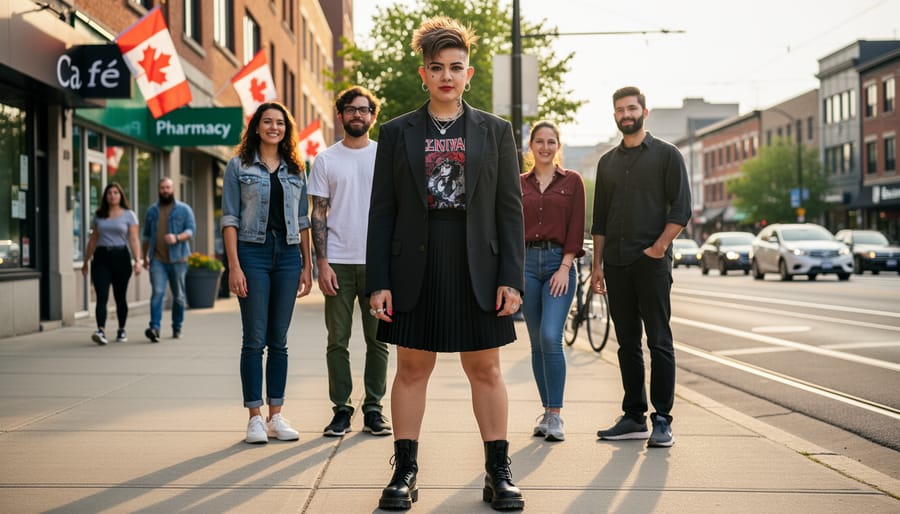
Understanding u gender as an identity means recognizing it as deeply personal, something that exists in how someone experiences themselves internally, not in how others perceive them. For many Canadians identifying with u gender, their sense of self simply doesn’t align with “man” or “woman” as fixed categories. Instead, they experience gender as something more nuanced: a point on a spectrum, a blend of qualities, or an absence of gender altogether. This internal reality then shapes how they choose to present themselves to the world.
Pronouns become a practical tool for this expression. Many people with u gender identities use they/them pronouns, which have become widely recognized in Canadian institutions, workplaces, and social settings. Others prefer neopronouns like ze/zir, xe/xem, or even name-only references. These aren’t arbitrary preferences, they’re linguistic affirmations of identity that help reduce the daily friction of being misgendered. In Canadian contexts, where federal and many provincial policies now accommodate non-binary gender markers and pronoun choices, using correct pronouns has shifted from niche practice to basic respect.
Navigating social spaces requires constant micro-decisions. Which public washroom feels safest? How to respond when a form only offers M or F? Whether to correct someone who assumes your gender or let it slide for the hundredth time that week? These aren’t abstract questions. For u gender individuals in Canada, they’re daily negotiations between authenticity and safety, visibility and exhaustion. Some days mean confidently existing in gender-neutral presentation; others require strategic compromises in less accepting environments.
The psychological weight of living outside binary categories varies. Many people describe profound relief in naming their u gender identity, finally having language that fits. Yet this often coexists with social challenges: explaining yourself repeatedly, facing skepticism from family or colleagues, or dealing with systems that weren’t built for you. The social aspect cuts both ways too. Canada’s urban centres generally offer more acceptance and community, while smaller towns may present isolation. Finding others who understand your experience, whether through LGBTQ+ spaces or online communities, often becomes crucial for mental wellbeing and affirming that your identity is valid, real, and shared by others.
Forms and Expressions of U Gender Identity
Fluid and Evolving Identities
For many people with u gender identities, gender isn’t a fixed point but a fluid experience that shifts across time, situations, or even throughout a single day. You might feel more feminine on Tuesday, neutral on Friday, and somewhere else entirely by Sunday. This fluidity is completely valid and increasingly understood within Canadian LGBTQ+ communities.
Fashion becomes particularly powerful for fluid individuals because clothing offers immediate, tangible ways to express these shifts. Someone might wear a flowy skirt and combat boots one day, then opt for tailored trousers and an oversized blazer the next, matching their outfit to how they’re experiencing their gender in that moment. The wardrobe acts as a toolkit rather than a uniform.
This evolving approach challenges the idea that identity must remain consistent to be legitimate. Fluid gender experiences reflect the reality that human identity is complex and multidimensional. For young Canadians especially, rejecting rigid categorization allows space to explore authenticity without forcing themselves into boxes that never quite fit. Fashion’s versatility, its ability to be remixed, layered, and reimagined daily, mirrors this internal experience perfectly.
Fixed Non-Binary Identities
Many people who identify as u gender experience their identity as constant rather than fluid. They know they exist outside the male-female binary and maintain a consistent non-binary or agender sense of self over time.
For these individuals, fashion becomes a deliberate, ongoing practice of authentic presentation. They often develop a signature style that communicates their gender identity clearly, whether through androgynous tailoring, deliberately neutral color palettes, or consistent rejection of gendered clothing conventions.
This doesn’t mean wearing the same outfit daily. Rather, it’s about curating a wardrobe that consistently reflects who they are. Someone with a fixed non-binary identity might gravitate toward structured blazers paired with wide-leg trousers, boxy tees with slim jeans, or carefully balanced layers that avoid reading as traditionally masculine or feminine.
The consistency extends beyond aesthetics. These fashion choices represent an external alignment with an internal truth that remains stable. For many Canadians with fixed non-binary identities, this reliability in presentation helps reduce the emotional labor of explaining themselves repeatedly and creates a sense of integrity between identity and appearance.
Cultural and Intersectional Perspectives
Canada’s multicultural fabric reveals that gender beyond the binary isn’t new, it’s a reclamation and evolution of longstanding traditions. Indigenous communities have recognized Two-Spirit identities for centuries, acknowledging individuals who embody both masculine and feminine energies or occupy distinct third and fourth gender categories entirely. These identities carry spiritual and community roles that predate colonial imposition of the gender binary, and their resilience informs contemporary Canadian conversations about u gender in profound ways.
Two-Spirit people navigate both traditional cultural frameworks and modern non-binary terminology, sometimes identifying with u gender language while honouring their specific cultural heritage. This intersection demonstrates that gender diversity isn’t a Western invention or recent trend, it’s a return to more expansive understandings that many cultures maintained before colonial disruption.
Beyond Indigenous perspectives, immigrants from South Asian, Middle Eastern, and other communities bring their own cultural contexts to gender identity discussions. Hijra communities in South Asia, for instance, have recognized third gender identities for millennia. When these cultural understandings meet Canadian u gender frameworks, they create rich dialogues about identity and joy that transcend simple translation.
Fashion becomes a space where these intersecting identities converge, traditional garments worn in gender-expansive ways, contemporary designs informed by non-Western silhouettes, and hybrid styles that honour multiple heritage points simultaneously. Recognizing these diverse roots enriches how all Canadians understand and express u gender identity.
Fashion as a Tool for U Gender Expression in Canada
Building a Gender-Neutral Wardrobe
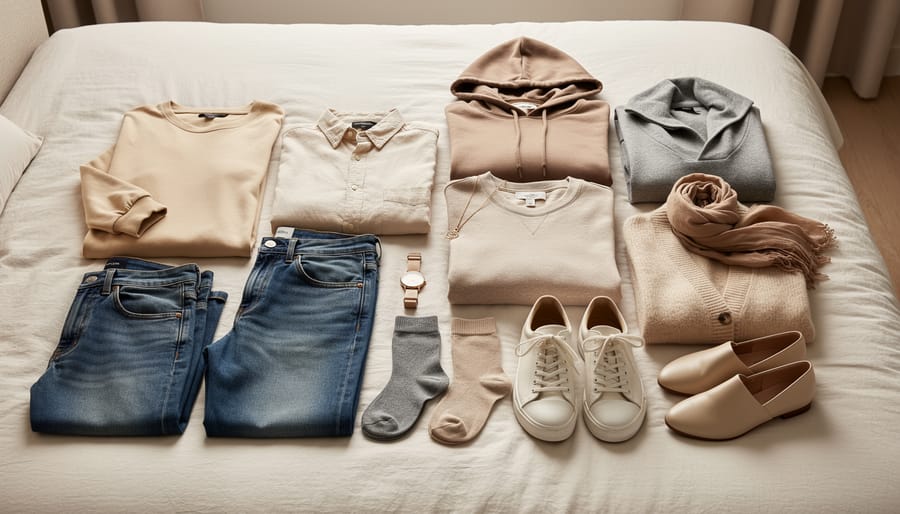
Building a gender-neutral wardrobe starts with choosing pieces that prioritize comfort and personal expression over conforming to binary fashion norms. The foundation lies in versatile basics that work across contexts: well-fitted button-downs in breathable fabrics, straight-leg or relaxed-fit trousers, and structured blazers that can be tailored to your body without leaning masculine or feminine. Oversized silhouettes offer freedom of movement and an androgynous aesthetic that many find liberating, think boxy tees, dropped-shoulder sweaters, and longline coats that create clean lines without emphasizing curves or angles typically associated with binary gender presentation.
Mixing traditionally gendered items is where fashion as language becomes powerful: pairing a floral blouse with carpenter pants, or wearing a fitted turtleneck under a loose utility vest. The key is selecting pieces that feel authentic rather than performative.
Essential elements for a functional gender-neutral wardrobe include:
- Neutral-toned basics (black, white, grey, beige) that layer easily and transcend seasonal trends
- Quality denim in straight or wide-leg cuts that sit comfortably at your natural waist
- Structured outerwear like bomber jackets, trench coats, or oversized blazers for versatile layering
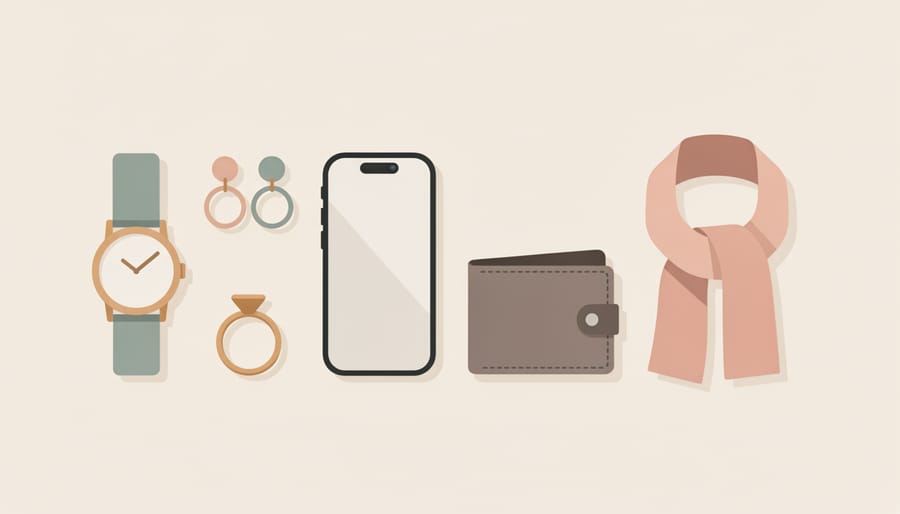
- Accessories that add personality without gender coding, minimalist jewelry, canvas bags, classic sneakers
- Footwear that balances style and comfort, from Chelsea boots to platform sneakers
Focus on fit that respects your body as it is. Tailoring can transform off-the-rack pieces into wardrobe staples that feel custom-made for your frame and identity, creating the authentic expression you’re seeking without compromise.
Canadian Brands and Retailers Leading the Way
Several Canadian brands have embraced gender-neutral fashion with genuine commitment. WILDFANGthough US-based, has a strong Canadian following and ships extensively north of the border, offering tomboy-chic pieces that reject gendered sizing. Toronto’s Nagnata creates minimalist, body-inclusive activewear designed for any gender, using sustainable fabrics and flattering cuts that prioritize comfort over traditional masculine or feminine silhouettes.
Oak + Forta Vancouver-based retailer, structures its entire collection around unisex basics, oversized tees, relaxed trousers, and structured outerwear that work across body types. They’ve eliminated separate men’s and women’s sections in many stores, letting customers shop by aesthetic rather than assigned gender.
Indie designers like Montreal’s Atelier b. focus explicitly on non-binary clientele, creating custom pieces tailored to individual bodies without gendered assumptions. Even mainstream retailers have adapted: Simons launched gender-neutral lines in select locations, while Hudson’s Bay has begun carrying more androgynous brands in response to customer demand.
These brands recognize that authentic expression requires clothing designed without binary constraints from the start.
Navigating Social and Professional Contexts
Dressing for work, weddings, or family events shouldn’t mean hiding who you are. Many u gender Canadians develop a “context toolkit”, core pieces that feel authentic across settings. A well-fitted blazer over a gender-neutral shirt works in boardrooms and at formal dinners. Tailored trousers, button-downs in interesting fabrics, and structured outerwear bridge professional expectations with personal style.
The key is finding your non-negotiables. Maybe you’ll always wear minimal jewelry, prefer certain silhouettes, or avoid traditionally gendered accessories. Build around those anchors. In conservative workplaces, subtle choices, a men’s watch, unstructured cuts, neutral colors, signal authenticity without confrontation. For special occasions, invest in one killer suit or statement piece that feels completely you. Authenticity isn’t all-or-nothing; it’s threading your identity through whatever dress code you’re navigating.
Legal and Social Recognition in Canada
Canada stands as a global leader in legal recognition of non-binary and gender-diverse identities. Since 2017, Canadians have been able to select “X” as a gender marker on passports and other federal identity documents, eliminating the requirement to choose between male or female. This landmark policy change reflected years of advocacy from LGBTQ+ communities and positioned Canada among the first countries to offer this option at the national level.
Provincial and territorial governments have followed with varying timelines and processes. Ontario, British Columbia, Alberta, and several other provinces now allow residents to change their gender marker to “X” on driver’s licenses, health cards, and birth certificates without requiring medical documentation or proof of transition. Some provinces, like Manitoba and Saskatchewan, implemented these changes more recently, while each jurisdiction maintains slightly different procedures for updating documents.
This legal recognition carries real weight for people with u gender identities navigating daily life. Showing ID that matches your authentic self reduces awkward explanations at banks, airports, or medical appointments. It validates your existence in official systems that once forced everyone into binary categories.
The fashion industry’s embrace of gender-neutral design has run parallel to these legal shifts, creating a cultural environment where expressing u gender identity feels increasingly safe and normalized. When stores offer truly inclusive changing rooms and staff trained to respect diverse gender expressions, legal rights translate into lived acceptance.
However, recognition remains uneven. Some smaller communities, workplaces, and institutions lag behind progressive urban centers. Social acceptance doesn’t automatically follow legal change, many non-binary Canadians still face misgendering, questioning, or hostility despite holding documents that affirm their identity. Fashion becomes both shield and statement in these moments, offering visible control over self-presentation even when legal protections feel abstract.
How U Gender Understanding Non Binary Identity in Canadian Is Used
Understanding u gender as a non-binary identity framework creates real-world impact across multiple areas of Canadian life. In education, schools increasingly use u gender concepts to develop inclusive policies around washrooms, dress codes, and pronoun usage in classrooms. Healthcare providers apply this understanding to create intake forms with non-binary options and train staff on respectful terminology during patient interactions.
Workplace diversity initiatives reference u gender identity when crafting anti-discrimination policies and designing inclusive benefits packages that don’t assume traditional family structures. Canadian media and entertainment industries use this knowledge to create authentic non-binary characters and hire consultants who identify outside the binary.
Fashion retailers leverage u gender understanding to market their collections more inclusively, moving beyond “men’s” and “women’s” sections toward style-based merchandising. This shift reflects broader changes in Canada’s cultural landscape where gender diversity gains visibility.
Government agencies apply these concepts when updating forms, identification documents, and census categories to better represent all Canadians. Community organizations use u gender frameworks to design programming that serves diverse gender identities, from youth drop-in centres to mental health services specifically addressing non-binary experiences.
Common Questions About U Gender Identity
Many people encountering u gender terminology for the first time have similar questions about what it means, how to be respectful, and how identity connects to expression. These queries reflect genuine curiosity, and addressing them directly helps build understanding across Canada’s diverse communities.
Is u gender the same as being transgender?
Not exactly. While u gender individuals may identify as transgender (an umbrella term for anyone whose gender differs from their assigned sex at birth), u gender specifically refers to identities outside the binary altogether, neither exclusively male nor female. Some u gender people use “transgender” to describe themselves, while others prefer terms like non-binary, genderqueer, or agender.
What pronouns should I use for someone with u gender identity?
Always ask rather than assume. Many u gender individuals use they/them pronouns, while others prefer ze/zir, xe/xem, or simply their name without pronouns. The respectful approach is to introduce yourself with your own pronouns and ask for theirs, then use whatever they specify consistently.
Can fashion really express gender identity?
Absolutely. Clothing serves as a visible, daily declaration of how someone wants to move through the world. For u gender individuals, fashion choices like oversized blazers, tailored trousers paired with flowing tops, or accessories that blend traditionally gendered elements communicate authenticity in ways that words sometimes can’t. It’s both practical and powerful.
How can allies support u gender individuals?
Use correct pronouns without making it a big deal, normalize sharing your own pronouns in introductions, avoid gendered assumptions in conversation, and support businesses and brands that embrace inclusive design. Amplifying u gender voices, whether through diversity TikTok creators or local fashion designers, also makes a meaningful difference.
Another common concern involves whether u gender is “just a phase” or a recent trend. Research consistently shows that gender diversity has existed across cultures and throughout history; what’s new is the language and visibility that allows people to name their experiences. Indigenous Two-Spirit identities, for example, predate colonial gender binaries by centuries. Today’s terminology simply provides words for realities that have always existed.
Some also wonder whether acknowledging u gender identities complicates social interactions. In practice, the adjustment period is brief. Once you develop the habit of asking rather than assuming and treating people’s self-descriptions as fact rather than debate topics, interactions become more genuine. The effort required pales beside the relief u gender individuals feel when their identity is respected rather than questioned at every turn.
Understanding u gender identity goes beyond learning new terminology, it’s about recognizing the diverse ways Canadians authentically express themselves. As more people embrace identities outside the binary, fashion has become an increasingly vital tool for communicating who they truly are. The rise of gender-neutral clothing lines, inclusive sizing, and androgynous styling options reflects a broader cultural shift toward acceptance and visibility.
Canada’s legal framework, which allows non-binary gender markers on federal documents, positions the country as a global leader in gender diversity recognition. Yet legal progress means little without social understanding and respect. When we make space for u gender identities in our language, our workplaces, and our communities, we create environments where everyone can show up as themselves.
Fashion will continue evolving alongside our understanding of gender. Designers are listening, retailers are adapting, and individuals are finding creative ways to dress that honour their authentic selves. The conversation around u gender identity isn’t finished, it’s expanding, deepening, and becoming more nuanced with each generation. That evolution deserves celebration, support, and an ongoing commitment to inclusivity in every aspect of Canadian life.
You may also like
-
Media Canada News Update: What Changed and What to Watch in 2026
-
When to Enjoy Canada’s Best Leisure Activities: A Seasonal Guide
-
What Is Education Innovation in Canada (and How Is It Reshaping Teaching)?
-
How Canada’s Pop Culture Finally Reflects the Faces of a Nation
-
Gender Identity Expression: How Fashion Becomes a Language of Self in Canada