
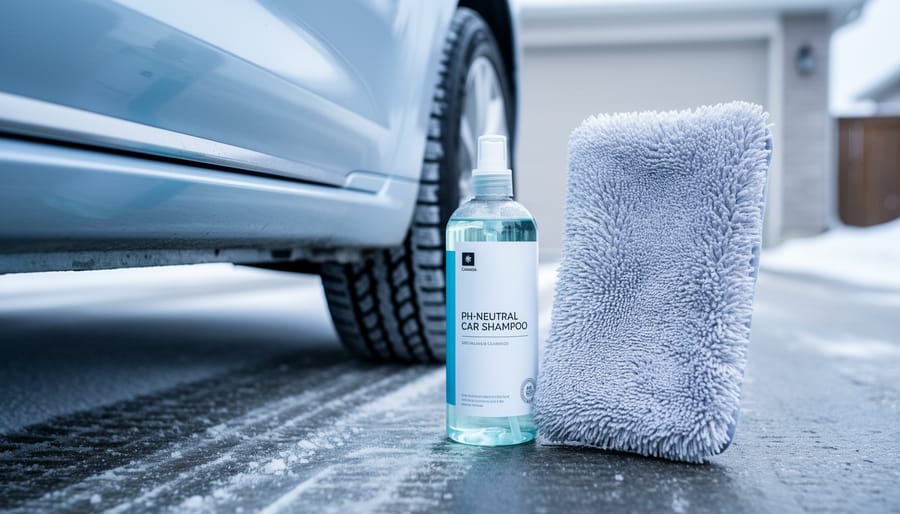
Choosing a pH-neutral car shampoo in Canada comes down to seven key factors: formula balance, compatibility with your vehicle’s protective coatings, performance in cold water, effectiveness against road salt residue, concentration levels, biodegradability, and value for Canadian prices. The right product protects your paint, wax, and ceramic coatings without stripping them, which matters especially given the harsh conditions Canadian vehicles face year-round.
Most car owners don’t realize that pH level directly determines whether your shampoo works with or against your car’s finish. Products outside the 6 to 8 pH range can degrade sealants and accelerate oxidation, turning routine maintenance into inadvertent damage. In a country where winter roads are coated in corrosive salt and summer sun beats down on freshly detailed surfaces, that distinction becomes critical.
Canadian water quality varies dramatically by region, from the soft water of coastal British Columbia to the hard, mineral-rich supplies in parts of Ontario and the Prairies. This affects how shampoos lather, rinse, and leave residue. Temperature extremes add another layer: what works beautifully in a heated garage during January performs differently in a driveway at 5°C, and you need a formula that adapts.
The tips ahead cut through marketing hype and give you practical criteria rooted in real-world Canadian driving conditions, helping you make a choice that keeps your vehicle looking sharp without compromising the protection you’ve invested in.
Understanding the pH Scale and Your Car’s Paint
The pH scale runs from 0 to 14, with 7.0 sitting right in the middle as neutral. Numbers below 7 are acidic, like lemon juice or vinegar, while anything above 7 is alkaline, like baking soda or bleach. Your car’s clear coat and paint thrive in that neutral zone because extreme pH levels, whether too acidic or too alkaline, can break down the molecular bonds that keep your finish glossy and protected.
When you use harsh cleaners that fall outside the neutral range, you’re essentially waging chemical warfare on your vehicle’s exterior. Acidic formulas can etch into clear coats, leaving dull spots and micro-scratches that catch light unevenly. Alkaline degreasers, while effective at cutting through grime, strip away wax and sealants you’ve carefully applied, leaving paint vulnerable to UV rays, road salt, and moisture. Over time, this damage compounds, especially in Canadian climates where temperature swings and winter conditions already stress automotive finishes.
Key Takeaway: Look for car shampoos with a pH between 6.5 and 7.5 to safely clean without degrading wax, ceramic coatings, or clear coat integrity. This neutral range removes dirt effectively while preserving the protective layers that keep your paint healthy through Canadian weather extremes.
A pH neutral car shampoo works with your car’s finish rather than against it, maintaining the delicate balance between cleaning power and protection. Think of it as the difference between scrubbing your hands with gentle soap versus industrial cleaner. Both remove dirt, but one respects your skin’s natural barrier while the other strips it bare. Your paint deserves the same consideration, particularly when facing months of salt spray, freezing temperatures, and UV exposure that define the Canadian driving experience.
How We Selected These Tips
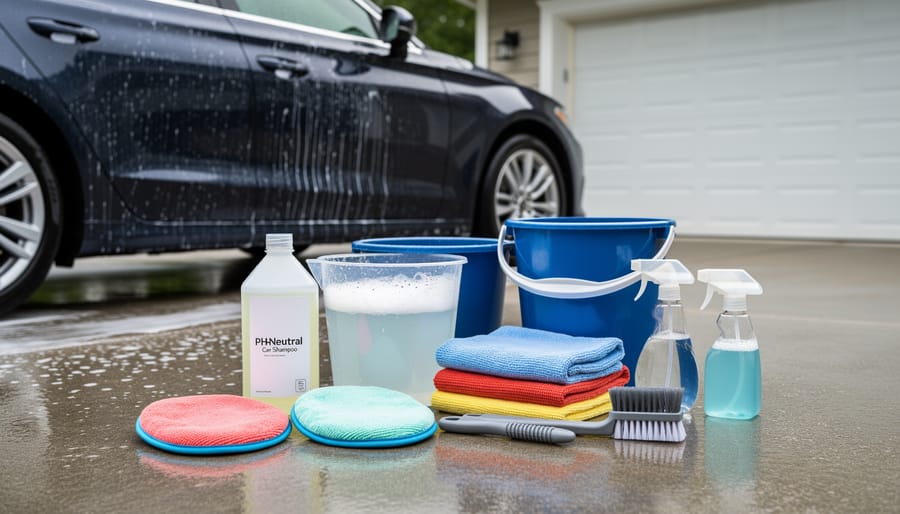
Putting together these seven tips meant thinking carefully about what actually matters to Canadian drivers, not just repeating generic car care advice you’d find anywhere. We prioritized guidance that addresses the realities of our climate: brutal winter salt that clings to everything, summer bug splatter on long highway drives, and temperature swings that can stress paint and protective coatings alike.
We also wanted these tips to work across Canada’s diverse landscape. What helps someone in coastal Vancouver with mild, wet winters should still be relevant to a driver in Winnipeg facing months of deep freeze, or someone in Halifax dealing with ocean salt spray. Every recommendation considers different vehicle types too, from daily commuter sedans to trucks with ceramic coatings to weekend enthusiast cars with show-quality finishes.
Budget inclusivity was non-negotiable. Car care shouldn’t be gatekept by price tags. You’ll find advice here whether you’re stretching student dollars or investing in premium products, because everyone deserves to protect their vehicle effectively. These tips reflect real-world decision-making for real people with different needs, values, and resources.
1. Look for ‘pH-Balanced’ or ‘pH-Neutral’ Labeling
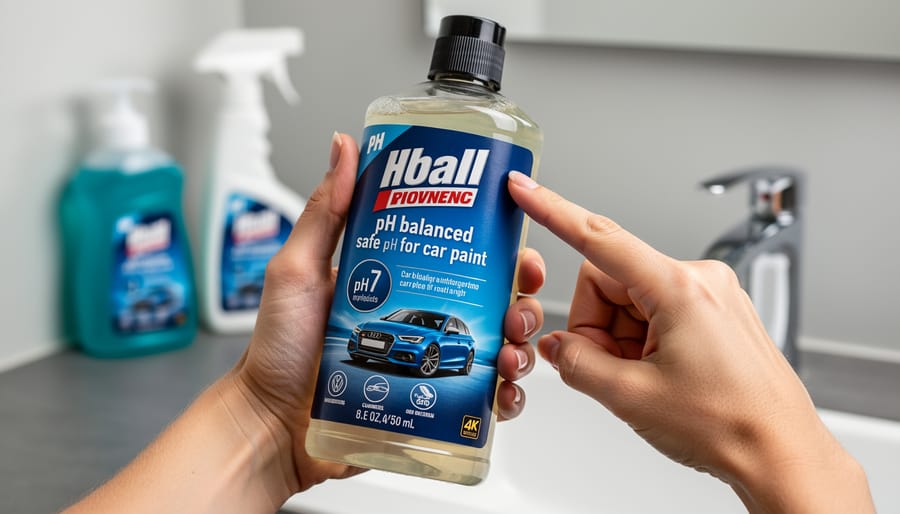
Pick up any car shampoo bottle and you’ll see terms like “gentle,” “safe,” or “pH-balanced” splashed across the label. Here’s the thing: not all of these claims mean the same thing, and some are pure marketing fluff.
What you want to look for is explicit language stating “pH-neutral” or a pH range close to 7.0. Some manufacturers will actually print the pH value on the bottle, that’s your gold standard. If a product just says “gentle” or “balanced” without specifying pH, it might still be acidic or alkaline enough to gradually strip your wax or sealant.
In Canada, the Competition Bureau requires that product claims be truthful and not misleading, which gives you some baseline protection. However, there’s no mandatory certification for pH levels in car care products. This means you’re relying on brand transparency. Look for companies that provide technical data sheets or third-party testing results, often available on their websites if not on the bottle itself.
When shopping at Canadian Tire, Walmart, or your local auto parts store, don’t hesitate to check product details online first or ask staff for specifics. If a brand won’t clarify its pH range, that’s usually a red flag. Your car’s finish deserves better than vague promises, and with a bit of label literacy, you’ll confidently grab the right bottle every time.
2. Consider Biodegradable and Eco-Friendly Formulas
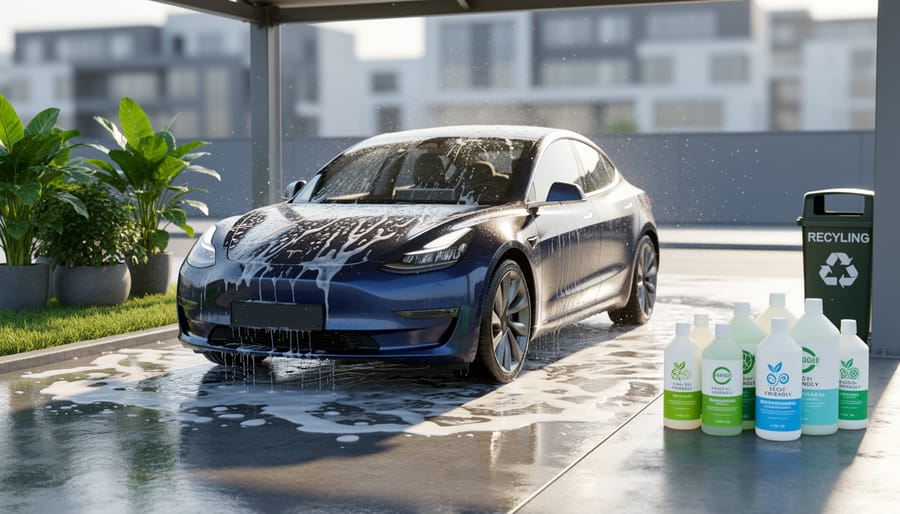
Washing your car isn’t just about keeping it clean, what goes down the drain matters, especially in a country as water-rich and environmentally diverse as Canada. From the Great Lakes to Pacific salmon streams, runoff from driveways can carry chemicals, road salt, and detergents into ecosystems that already face pressure from urban development and climate change. Choosing a biodegradable, eco-friendly pH-neutral shampoo means you’re protecting both your paint and the waterways around you.
Look for formulas labeled phosphate-free and plant-based. Phosphates encourage algae blooms in freshwater, which deplete oxygen and harm aquatic life, a real concern for anyone washing near lakes, rivers, or storm drains that feed into natural areas. Plant-derived surfactants break down faster and more completely than petroleum-based alternatives, reducing long-term environmental impact without compromising foam or cleaning strength. Many Canadian brands now highlight biodegradable certifications on their packaging, making it easier to choose responsibly.
Don’t assume eco-friendly means weak. Modern biodegradable pH-neutral shampoos use advanced green chemistry to tackle winter grime, bug splatter, and road film just as effectively as harsher formulas. The difference is what happens after you rinse: biodegradable ingredients break down into harmless compounds within days, while conventional detergents can persist in soil and water for months. For Canadians who value both a pristine finish and environmental stewardship, these formulas offer the best of both worlds.
3. Match the Shampoo to Your Finish Type
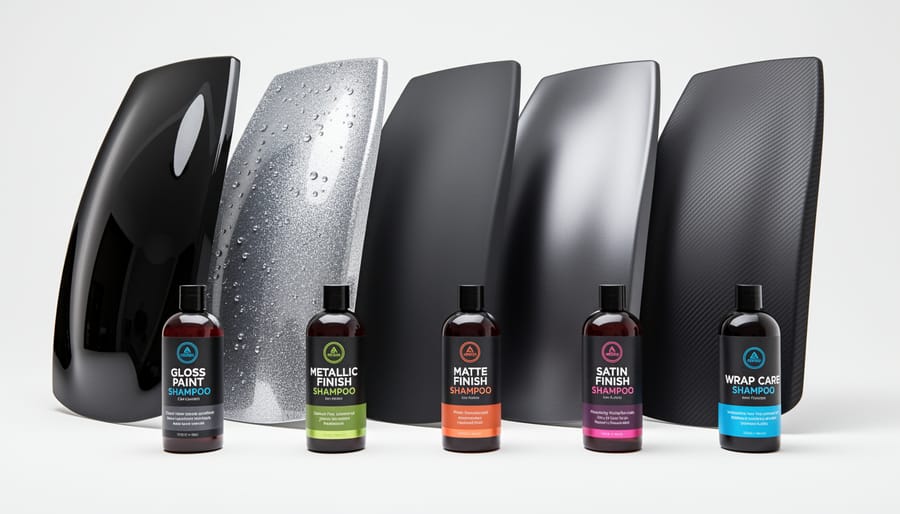
Your car’s finish isn’t one-size-fits-all, and neither is your shampoo choice. A pH-neutral formula protects paint chemistry, but the best product depends on what’s already on your vehicle.
If you’ve applied traditional carnauba or synthetic wax, choose a pH-neutral shampoo without added polymers or sealants. These “wash-only” formulas clean thoroughly without stripping your existing protection or leaving conflicting layers that reduce gloss. Look for labels mentioning “safe for waxed surfaces” or “won’t remove sealants.”
Ceramic-coated vehicles need pH-neutral shampoos specifically designed to maintain hydrophobic properties. Many ceramic-safe options include SiO2 boosters that refresh the coating’s water-beading effect with each wash. Avoid products with heavy waxes, which can create hazy buildup on ceramic surfaces and diminish their self-cleaning abilities.
Matte wraps and matte paint finishes require extra caution. Standard shampoos can add unwanted shine, ruining the aesthetic. Seek out pH-neutral formulas explicitly labeled “matte-safe” or “non-glossing.” These lack shine enhancers and won’t alter the finish’s appearance.
Factory clear coats on newer vehicles are the most forgiving. Most pH-neutral shampoos work well here, making this the ideal testing ground if you’re new to gentler car care. You can experiment with different brands and features without worrying about compatibility issues.
When in doubt, consult your detailer’s recommendations or the manufacturer of any aftermarket protection you’ve applied.
4. Test Foam and Cleaning Power

A common misconception is that pH-neutral means weak cleaning performance, but foam density and lubricity tell a different story. When testing a new shampoo, pay attention to how much foam it produces at your chosen dilution ratio, thick, stable suds aren’t just for show. They create a cushion between your wash mitt and the paint, trapping dirt particles and reducing the risk of scratches as you work.
Good lubricity is especially crucial for Canadian drivers dealing with stubborn contaminants. Winter road salt bonds to paint and undercarriages, while summer brings baked-on bug splatter and tree sap. A quality pH-neutral formula should glide smoothly across these challenges without requiring aggressive scrubbing. Test this by feeling how slick the shampoo remains on the surface, if your mitt starts dragging, you’re creating friction that can mar the finish.
Don’t confuse foam volume with cleaning power, though. Some concentrated formulas produce less visual foam but contain surfactants that lift grime effectively. The real test is whether the shampoo breaks down road film and rinses clean without leaving residue. Run your hand over a rinsed panel, it should feel smooth and squeak slightly, not slimy or coated. If it passes these practical checks, you’ve found a pH-neutral shampoo that’s truly gentle and effective.
5. Check for Added Wax or Sealant Properties
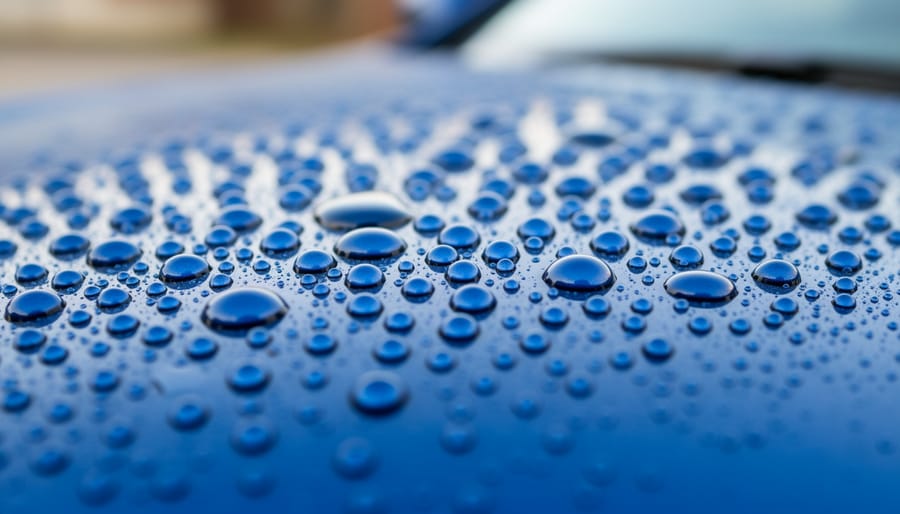
Many pH-neutral shampoos now come fortified with light wax or polymer sealants that deposit a thin protective layer while you wash. If you’re the type who prefers quick maintenance washes between full details, these combo products can be a time-saver. They add a subtle gloss and water-beading effect, helping repel road spray and extending the life of your existing protection.
But there’s a catch. If you’re planning to apply a ceramic coating, traditional carnauba wax, or paint correction work soon, these added ingredients can actually create headaches. Wax and polymer residues may prevent proper bonding of your next protection layer, forcing you to strip the surface with an aggressive cleaner first. That defeats the gentle, pH-neutral care you were aiming for.
Consider your routine and climate exposure when choosing. If you wash weekly and live somewhere with heavy salt or dust exposure, a shampoo with built-in sealant offers convenient, ongoing defense. If you prefer deliberate, scheduled detailing sessions where you control what goes on your paint, stick with a pure, additive-free pH-neutral formula. Read the ingredient list or product description carefully. Terms like “wash and wax,” “gloss enhancers,” or “polymer technology” signal added protection, while “pure” or “prep wash” formulas typically contain cleaning agents only.
6. Compare Concentrate Ratios and Value
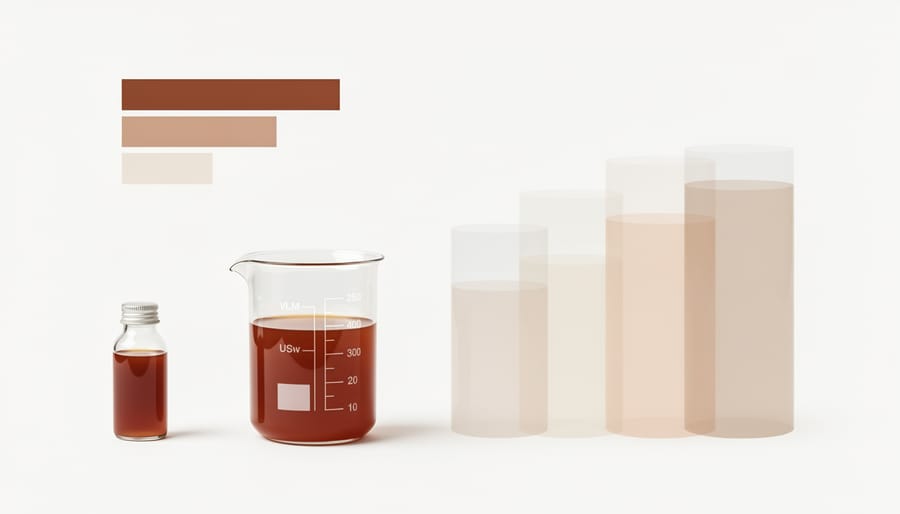
When you’re comparing pH-neutral car shampoos on the shelf, the sticker price only tells part of the story. Concentrates can cost more upfront but deliver dozens of washes per bottle, while ready-to-use formulas might seem affordable until you realize you’re buying a new jug every few washes. Understanding dilution ratios transforms how you evaluate value, especially when you’re balancing a budget or storing your vehicle through a Canadian winter and washing less frequently.
Most pH-neutral concentrates list their recommended dilution on the back label, and these ratios directly impact your cost per wash:
- 1:10 ratio (strong concentrate), one ounce of shampoo to ten ounces of water, yields roughly 50-60 washes from a 500ml bottle
- 1:100 ratio (moderate concentrate), one ounce per hundred ounces, stretches a single bottle to 100+ washes
- 1:256 ratio (ultra-concentrate), professional-grade dilution, can produce 200+ washes but requires precise measuring
- Ready-to-use (no dilution), convenient but typically costs 3-5 times more per wash than concentrates
Calculate your actual cost by dividing the bottle price by the number of washes it’ll give you at the recommended ratio. A $25 concentrate that lasts 80 washes costs about 31 cents per session, while a $12 ready-to-use bottle good for 8 washes runs $1.50 each. For Canadians washing weekly in summer and monthly in winter (say, 35 washes annually), that difference adds up to real savings you can put toward other detailing supplies or road trips. Don’t forget shelf life either: concentrates typically stay effective for 2-3 years when stored properly, so buying in bulk during sales makes sense even if you wash infrequently.
7. Read Reviews from Canadian Users

When you’re choosing a pH-neutral car shampoo in Canada, online reviews can be your secret weapon, but not just any reviews. Look specifically for feedback from Canadian users who face the same challenges you do. A product that performs brilliantly in California might struggle with our winter salt buildup or fall short in regions with hard water.
Check automotive forums, regional detailing groups on social media, and Canadian-specific sections of product review sites. Pay attention to reviewers who mention their province or city, especially if they share your climate. Someone washing their car in Vancouver’s wet winters has different needs than a Calgary driver dealing with intense cold and Chinook winds.
Don’t just focus on star ratings. Read the detailed experiences: How did the shampoo handle spring salt residue? Did it foam well in cold water? Did users notice any streaking or spotting after air drying? These real-world details matter more than generic praise.
Engage with the community too. Asking questions in local car care groups often yields honest recommendations from people who genuinely want to help. This collective knowledge, from students maintaining their first vehicles to professionals detailing luxury cars, reflects the diversity of Canadian driving experiences and helps you make a choice that truly fits your situation.
Making the Right Choice for Your Ride
Choosing the right pH-neutral car shampoo doesn’t have to be overwhelming. Start by checking labels for actual pH claims, not just marketing buzzwords. Think about your local environment, whether you’re battling coastal salt spray in Halifax or prairie dust in Regina, there’s a formula that fits. Match the product to your vehicle’s finish, test a small bottle first to gauge foam and cleaning power, and don’t overlook concentrate ratios if you’re watching your budget.
Your car is more than transportation. It’s how you get to work, road trips with friends, or weekend adventures. Taking care of it with a gentle, effective shampoo is a simple act of maintenance that preserves your investment and keeps your ride looking sharp year-round.
Whether you drive a ten-year-old sedan or a brand-new SUV, whether you wash weekly or seasonally, pH-neutral products work for everyone. They protect what matters without demanding expert knowledge or expensive equipment. You’ve got the information, now pick a shampoo that suits your needs, your values, and your routine. Your car will thank you for it.
Common Questions About pH-Neutral Car Shampoos
Can I just use dish soap to wash my car?
No, dish soap is designed to strip grease and oils, which means it’ll remove your car’s protective wax and sealants along with the dirt. Regular use can leave your paint vulnerable to oxidation and environmental damage, especially in harsh Canadian climates.
How often should I wash my car with pH-neutral shampoo?
It depends on your driving conditions and season. During winter months with heavy salt use, aim for every two weeks to prevent corrosion. In milder seasons, once a month is typically sufficient for most drivers, though you can wash more frequently without worrying about damaging your finish.
Does pH-neutral shampoo work in cold water?
Yes, though warm water helps activate the cleaning agents and improves foam generation. If you’re washing in cooler temperatures, you might need to agitate the shampoo a bit more or use a slightly higher concentration to maintain cleaning power.
Are expensive pH-neutral brands really better than budget options?
Not necessarily. Price often reflects concentrate strength, added features like wax, or brand positioning rather than pH balance itself. A $15 concentrate that makes 20 washes can outperform a $30 ready-to-use formula, so focus on dilution ratios, user reviews, and whether the formula meets your specific needs.
These questions come up constantly in car care communities, and they reflect real concerns about protecting your investment while being practical about time and money. The good news is that once you understand the basics of pH-neutral formulas, most of these decisions become straightforward. Trust your research, start with a product that fits your budget and climate needs, and adjust based on how your car responds. There’s no single perfect shampoo for every Canadian driver, but there’s definitely a right choice for your specific situation and the way you use your vehicle.
You may also like
-
The Media Bias Chart Everyone’s Talking About (And Why It Matters to You)
-
15 Best Rhymes for Rappers to Elevate Your Bars, Curated
-
How to Read Canada’s Media Bias Chart: Where Your News Sources Actually Fall
-
How to Sell an Inherited Property in Canada: Timeline and Steps
-
Why Buying Reddit Upvotes Could Destroy Your Canadian Publication’s Credibility